
How to Create Macros in Excel Tutorial: Excel learning resource
How to Create Macros in Excel Tutorial
Extracted from saved YouTube search results - titled "How to Create Macros in", filed under Automation, Macros & VBA for its macros coverage. It's a video from Kevin Stratvert — use it to practice Record your first macro and VBA editor basics.
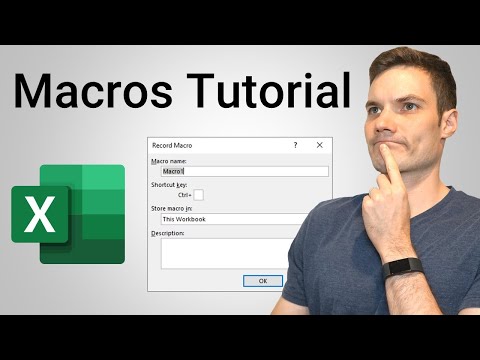
What to practice while watching
- Record your first macro
- VBA editor basics
- Loops and conditions
Recommended learning path
Start by watching the lesson once without pausing, then reopen Excel and rebuild the example with your own small dataset. Save one clean practice workbook before moving to the next topic.
Source details
- Channel: Kevin Stratvert
- Format: video
- Level: Advanced
- Topic: Automation, Macros & VBA
- Listing source: saved YouTube search capture, filed by topic
Go deeper with this skill
Turn the idea into a repeatable Excel workflow you can explain, rebuild, and review later. For this article, the goal is to practice: Extracted from saved YouTube search results - titled "How to Create Macros in", filed under Automation, Macros & VBA for its macros coverage. It's a video from Kevin Stratvert — use it to practice Record your first macro and VBA editor basics.
Practice workbook setup
Create a small practice workbook with one raw-data sheet, one working sheet, and one final output sheet.
Practice workflow
- Rebuild the example once exactly as described, then repeat it with different labels, dates, or amounts.
- Write a short note beside the result explaining what each step is doing and why it matters.
- Change one input value and confirm the output updates in the way you expected.
- Save a clean copy of the workbook before experimenting further.
Quality checks
- Inputs, calculations, and final outputs are separated clearly.
- Headings describe the data without relying on memory or hidden context.
- The final result can be understood by someone who did not build the workbook.
Common mistakes
- Mixing raw data and manual adjustments in the same cells.
- Skipping a quick review after the result looks correct.
- Building a one-off fix instead of a repeatable workflow.
Next actions
- Apply the same pattern to a real workbook with 20 to 50 rows of sample data.
- Add one note that explains when you would not use this approach.
Formula focus: even if this workflow is not formula-heavy, add one check cell that confirms the final output still matches the source data.


